
One of the biggest financial decisions you’ll ever make is whether to buy a home or continue renting. Both options have their advantages, and the right choice depends on your budget, lifestyle, and long-term goals. If you’re considering a manufactured home, understanding the differences between buying and renting can help you make a confident decision.
Here’s a complete comparison to help you determine which option is best for you.
The Benefits of Buying a Home
Buying a home gives you the opportunity to build equity over time. Instead of making monthly rent payments that don’t contribute to ownership, your mortgage payments help you invest in a property that can become a valuable asset.
Homeownership also provides greater stability. You don’t have to worry about lease renewals or unexpected rent increases, and you have the freedom to personalize your living space through renovations, landscaping, or interior upgrades.
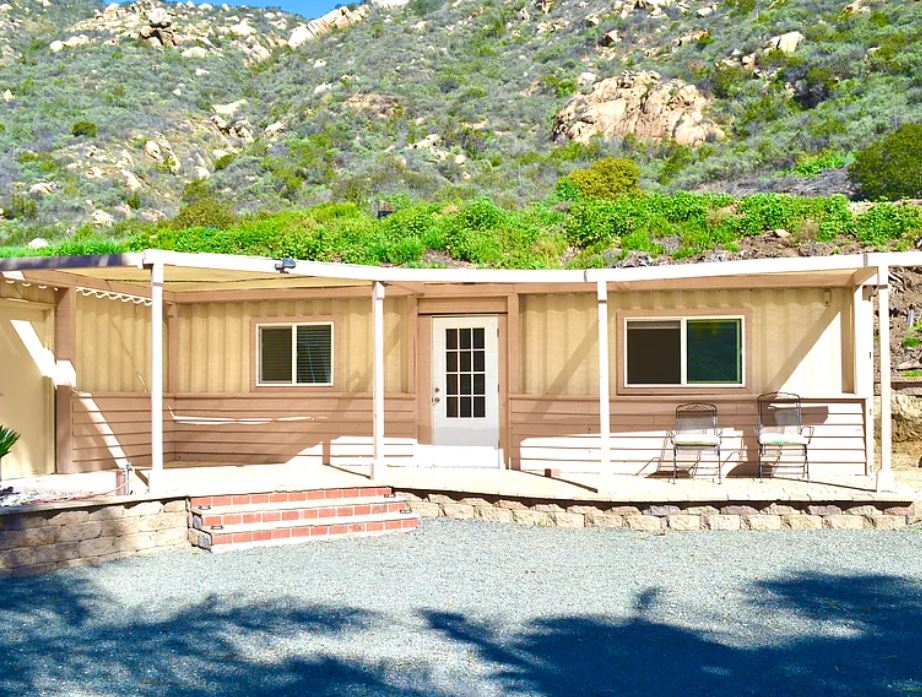
For many buyers, manufactured homes offer an affordable path to homeownership while providing many of the same comforts and features as traditional site-built homes.
The Benefits of Renting
Renting offers flexibility, making it an excellent option for people who may need to relocate for work, school, or personal reasons. Since leases are typically shorter than a mortgage commitment, renters can move more easily when their circumstances change.
Renting also comes with fewer maintenance responsibilities. In many rental properties, major repairs and exterior maintenance are handled by the landlord, reducing unexpected expenses for tenants.
If you’re still saving for a down payment or exploring different neighborhoods, renting may provide valuable time before committing to a home purchase.
Comparing the Costs
While buying a home requires upfront costs such as a down payment, closing costs, and moving expenses, it may offer long-term financial benefits through equity and potential property appreciation.
Renting usually requires a security deposit and monthly rent payments, making it more affordable in the short term. However, rent payments do not build ownership, and monthly costs may increase over time as rental rates change.
When comparing costs, it’s important to look beyond the monthly payment and consider insurance, utilities, maintenance, property taxes, and community or lot fees if purchasing a manufactured home.
Lifestyle Considerations
Your lifestyle plays an important role in deciding whether to buy or rent.
Buying may be the better option if you:
- Plan to stay in the same area for several years.
- Want to build long-term wealth through homeownership.
- Prefer the freedom to customize your home.
- Are financially prepared for homeownership responsibilities.
Renting may be a better fit if you:
- Expect to move within a few years.
- Want fewer maintenance responsibilities.
- Are still improving your credit or saving for a home.
- Prefer greater flexibility in your living situation.
Is a Manufactured Home a Good Choice?
For many first-time buyers, a manufactured home provides an affordable alternative to traditional housing. Modern manufactured homes offer quality construction, energy-efficient features, customizable floor plans, and a lower purchase price compared to many site-built homes.
If your goal is to transition from renting to owning, a manufactured home may help make homeownership more accessible while allowing you to enjoy the benefits of owning your own space.
Final Thoughts
There isn’t a one-size-fits-all answer to the question of whether you should buy or rent. The best decision depends on your financial situation, future plans, and personal priorities.
If you’re ready for long-term stability and want to build equity, buying a manufactured home may be a smart investment. If flexibility and lower upfront costs are more important right now, renting may be the better choice until you’re ready to purchase.
Take the time to evaluate your goals, compare your options, and choose the path that supports your lifestyle today and your future tomorrow.